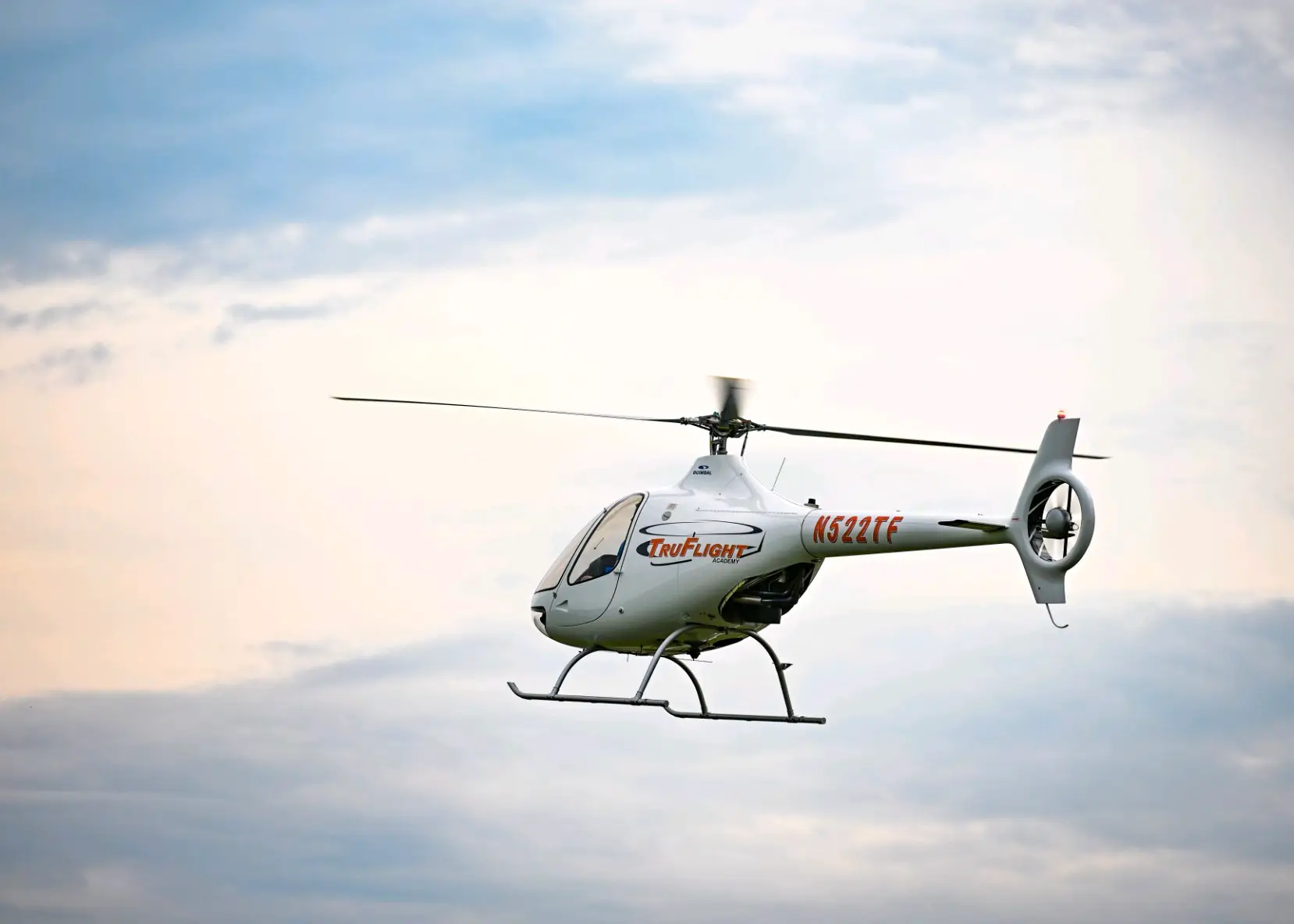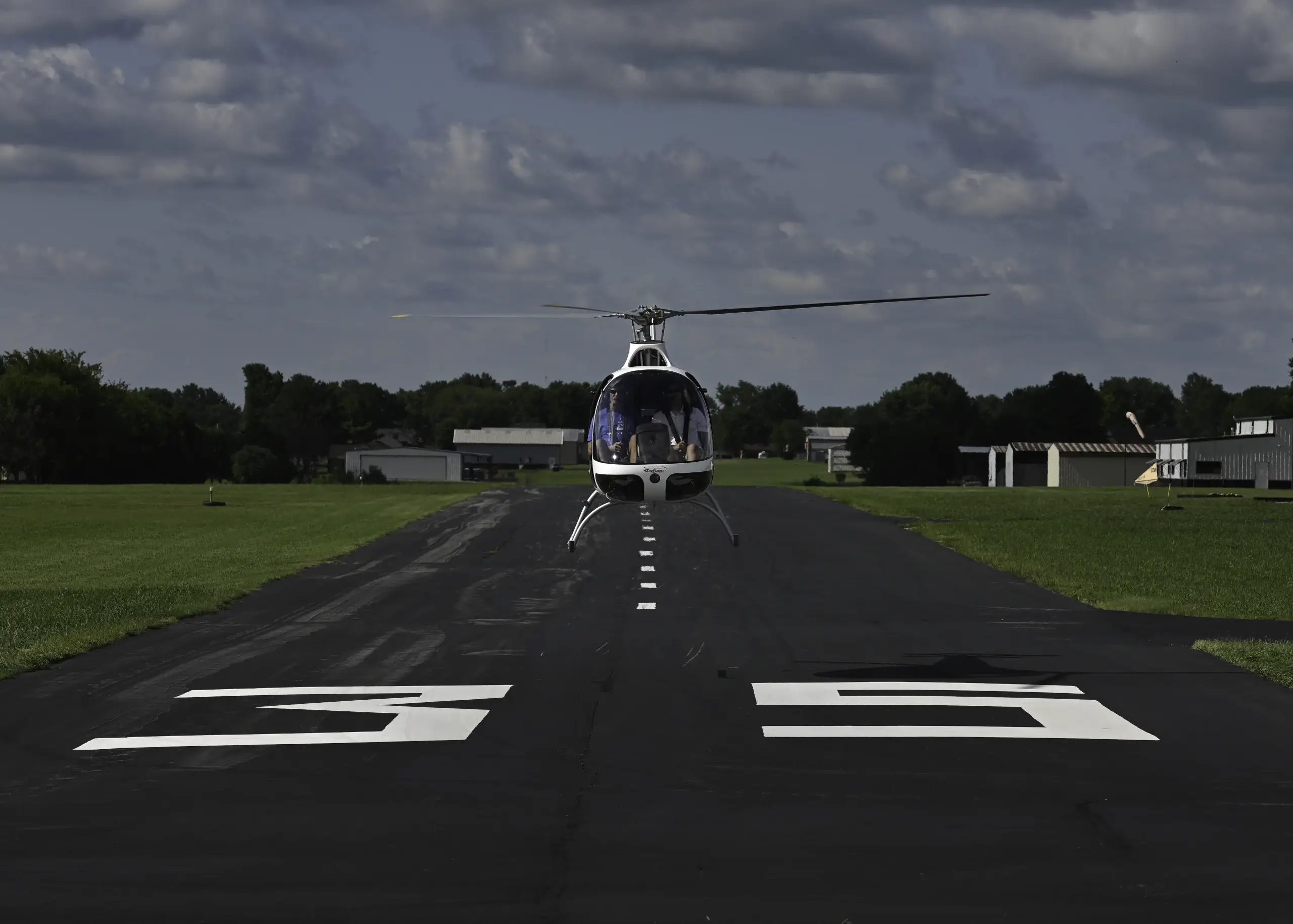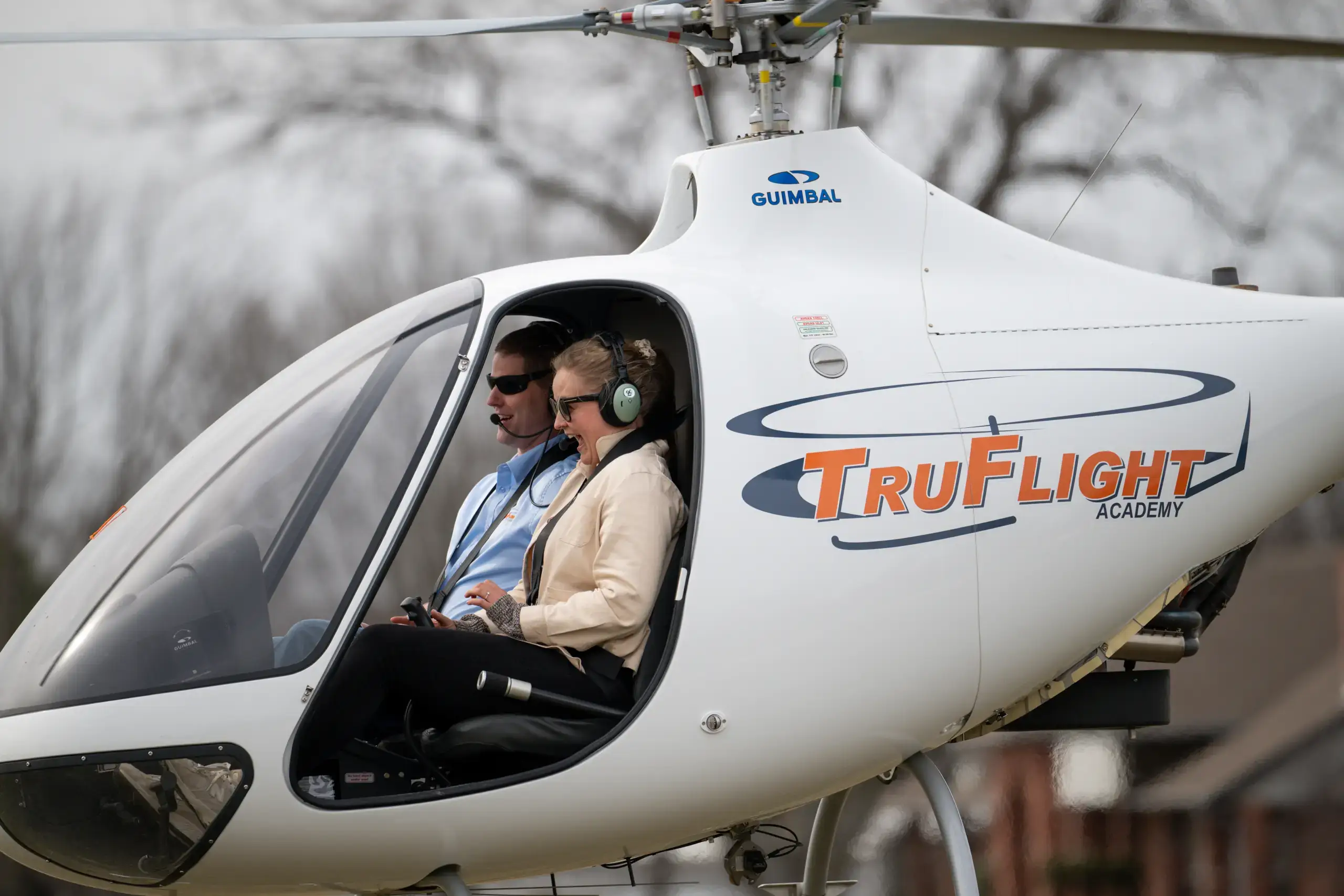
Why the Cabri G2 Is a Safety-Focused Training Helicopter
See why TruFlight trains in the Cabri G2, including safety features, cockpit awareness, student training benefits, and in-house maintenance.
Aircraft Choice Changes the Training Experience
When comparing flight training options, the focus is often on cost, location, and schedule first. While those matter, the aircraft you train in also shapes the way you learn, the systems you see every day, and the safety habits you build from the beginning.
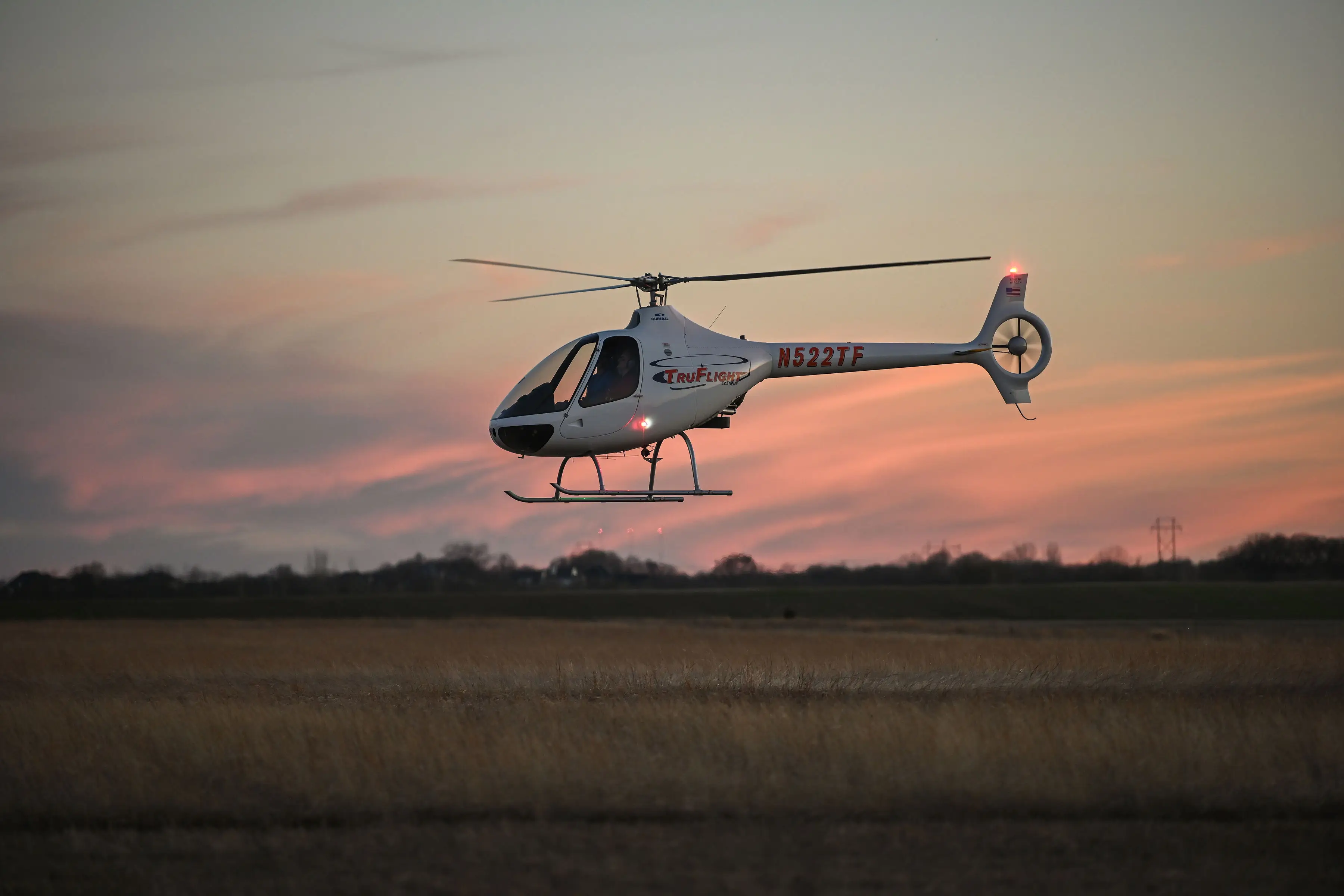
At TruFlight Academy, we train in the Guimbal Cabri G2 because it gives students a modern, safety-focused platform for helicopter training. It is a helicopter that was designed with training, safety, cockpit awareness, and student progression in mind.
If you are researching helicopter safety, the Cabri G2 deserves close attention because its safety story is built around specific design choices.
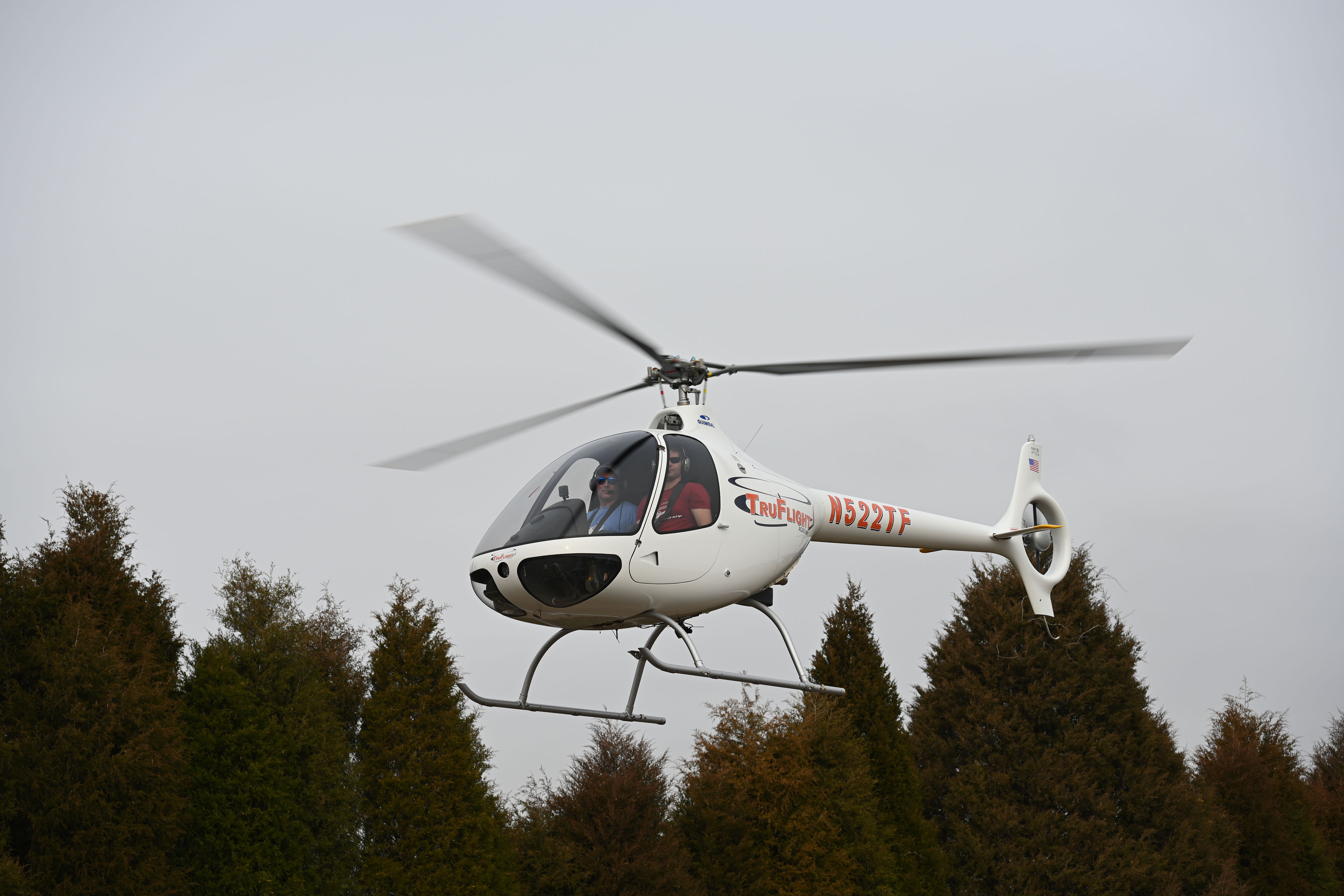
The Cabri G2 is central to TruFlight's safety-focused helicopter training environment.
Safety-Focused Does Not Mean Risk-Free
No aircraft makes aviation risk disappear. A good training helicopter supports the pilot, the instructor, and the maintenance team, but safety still depends on judgment, procedures, weather decisions, communication habits, and aircraft condition.
For the Cabri G2, support comes from crashworthiness features, modern cockpit information, stable handling, and a design that helps students build habits they can carry through their whole aviation journey.
Cabri G2 Features
The Cabri G2 includes several features that are especially relevant for student pilots:
- Crash-resistant fuel bladder/cell designed to reduce post-impact fuel risk
- Carbon fiber body built around a modern structure
- Stroking seats that help absorb energy in a hard landing
- Training-focused landing gear and airframe design
- Glass cockpit and system monitoring to improve aircraft awareness
- Stable handling characteristics that support instruction
Especially for a new student, these features make safety visible. They show that the aircraft is designed with protection in mind if the unexpected happens.
If you want to see more of our helicopters explore our fleet page.
Minimizing Risks
Crash survivability is a serious topic, and it should be handled carefully. No school should promise an outcome in an accident. What we can talk about are the features and habits that support better risk management.
While the Cabri G2’s safety features are an important part of this conversation, the student’s training matters even more. Learning how to maintain aircraft control, select a landing area, use checklists, and respond to an emergency without freezing are key skills that every pilot needs to hone.
That is why our safety approach connects aircraft design to instruction. Students learn how the helicopter works, then practice the procedures that help them make good decisions in the cockpit.
Interested in learning more about helicopter safety? Visit our helicopter safety FAQ page which covers autorotations, emergency landings, and beginner training safety.
Glass Cockpit Awareness Helps Students Think Ahead
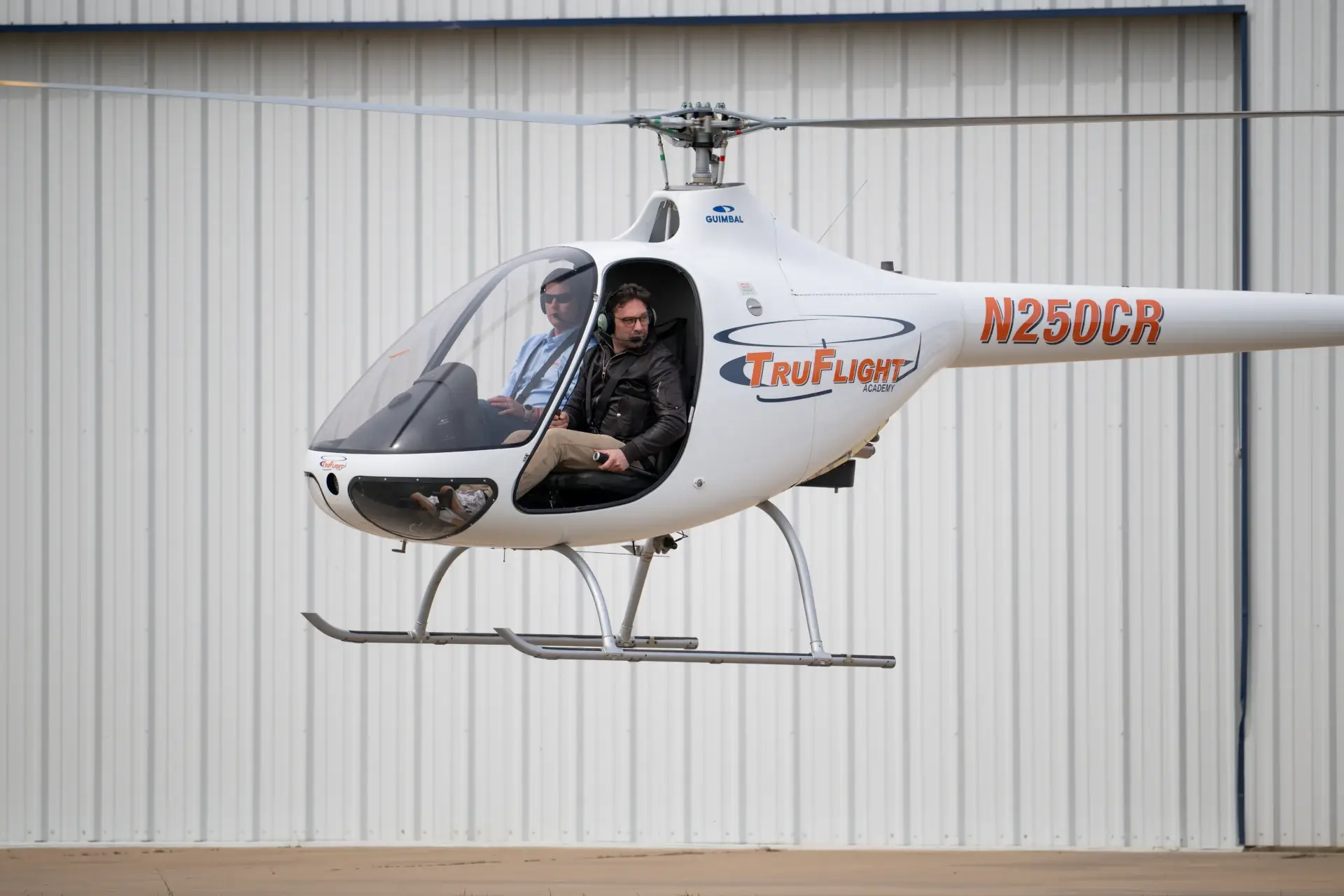
Modern cockpit information can help students understand what the helicopter is doing. Our Cabri G2 aircraft include glass panel avionics and system monitoring, giving students a clearer view of aircraft status during training.
This supports pilot judgement instead of replacing it. Students still learn to look outside, manage the controls, communicate clearly, and use checklists. The avionics become part of a broader habit: notice what is happening, understand what it means, and make the next safe decision.
In addition, while in Class G airspace, pilots are not required to be on the radio, we treat every airspace environment as if it were towered so students build professional radio habits.
That mindset also helps students who plan to continue into instrument, commercial, CFI, external load, or turbine transition training later. A modern training cockpit can make advanced systems feel less foreign when the student is ready for the next step.
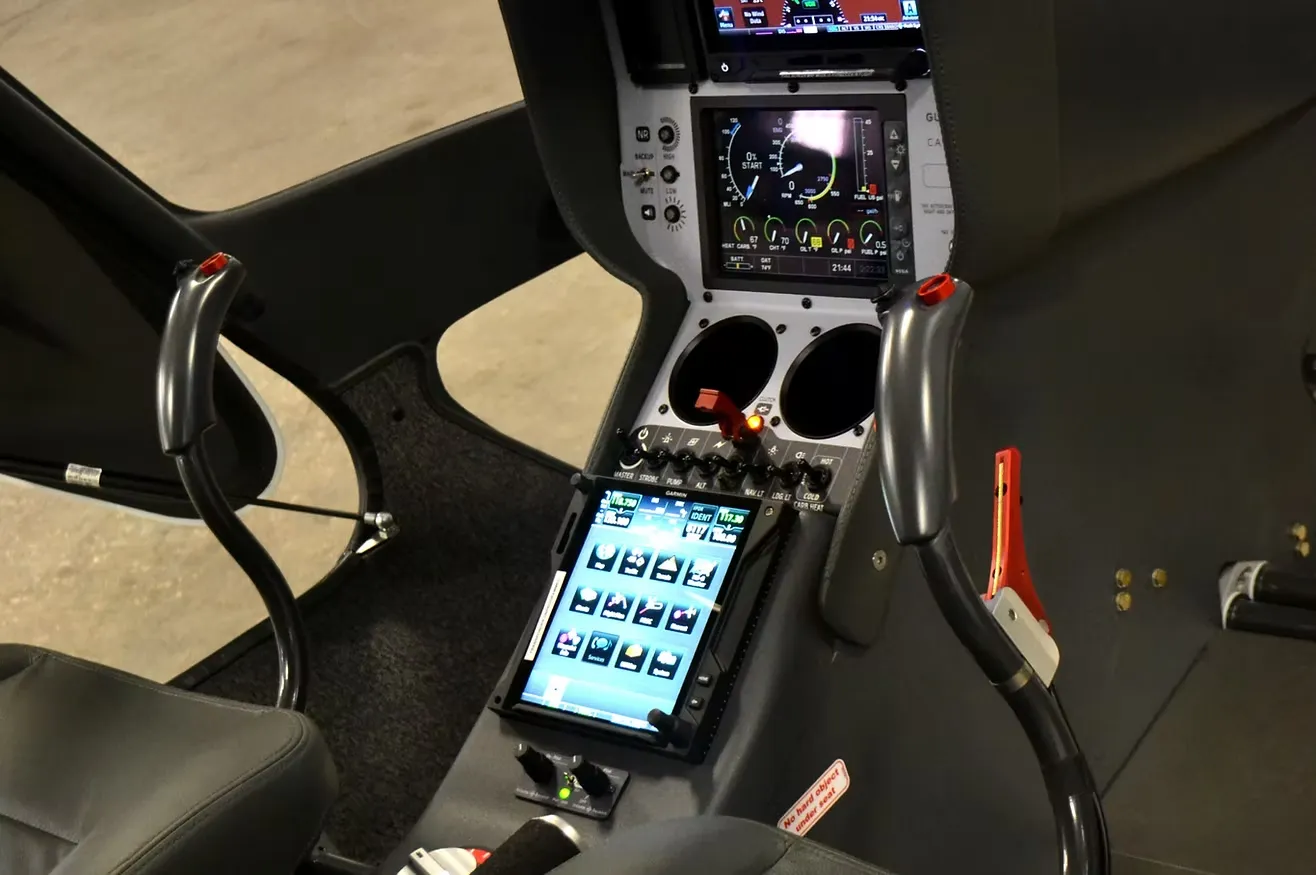
Modern cockpit information helps students connect aircraft systems, checklist habits, and safe decision-making.
Our In-House Maintenance Team
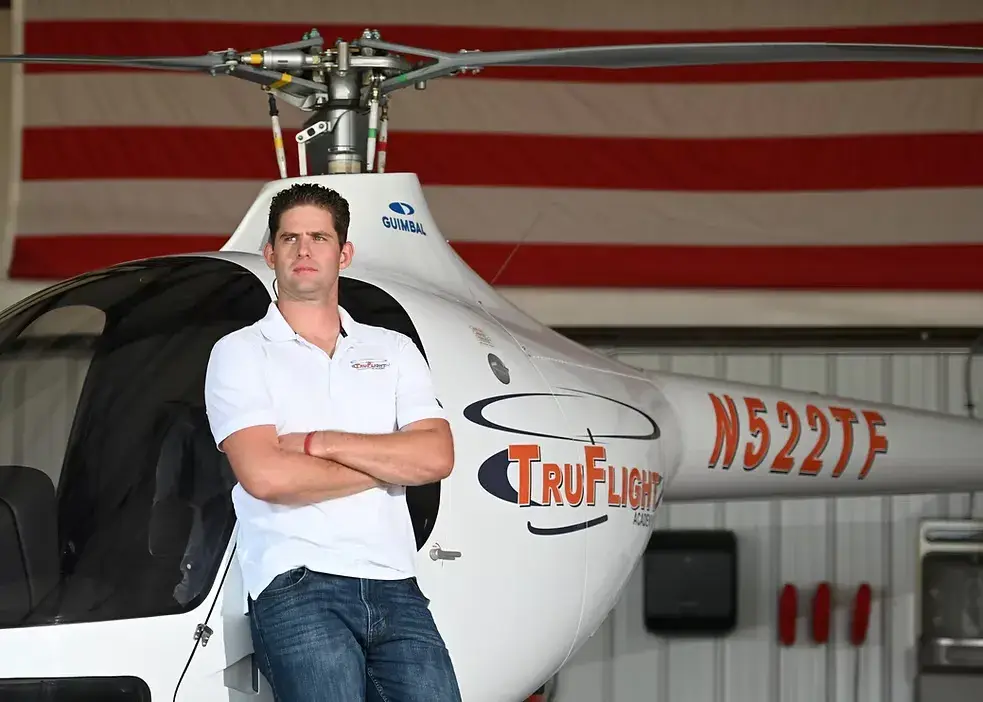
Safety-focused training also depends on the people teaching and maintaining the aircraft. TruFlight hires high-hour CFIs with extensive helicopter experience, and our maintenance team includes a Guimbal factory-trained mechanic who can perform Cabri G2 maintenance and warranty work in-house.
For students, this means the aircraft they train in is maintained by a team that understands them inside and out, knows how they are used in lessons, and keeps them airworthy without compromise.
Although this doesn’t make our helicopters immune from downtime, it does help to keep aircraft expertise close to the school, which is exactly where students and instructors need it.
See the Cabri G2 Before You Choose
The best way to understand a training aircraft is to sit in it, talk with an instructor, and see how the school teaches around it.
Start with a discovery flight if you are new to helicopter training. You will meet the team, see the Cabri G2 up close, and get a better feel for whether helicopter flying belongs in your life.
If you are already comparing schools or ready to ask specific questions, read our full helicopter safety guide or contact us and we will help you connect aircraft choice, safety culture, schedule, and training goals into a practical next step.